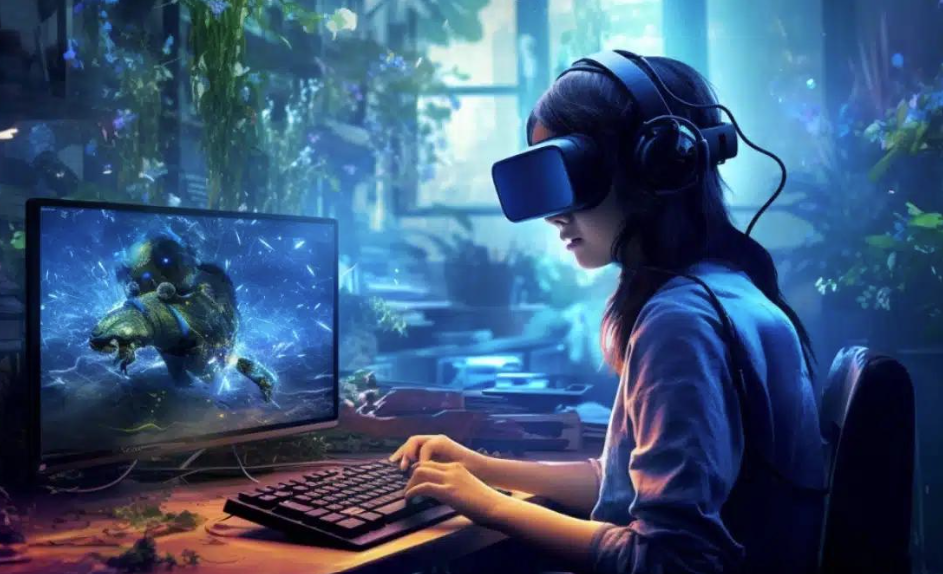

The gaming industry has become one of the most exciting areas of modern technology. Over the years, digital entertainment has moved far beyond simple computer games and traditional consoles. Today, players can enjoy detailed virtual environments, advanced graphics, multiplayer experiences, and interactive applications through smartphones, computers, and gaming consoles.
This transformation has been made possible by improvements in software development, artificial intelligence, internet connectivity, graphics processing, and cloud computing. These technologies have created new opportunities for developers while giving players more ways to enjoy their favorite entertainment.
Modern gaming is also connected to a wider digital ecosystem that includes online communities, gaming platforms, account management systems, and specialized services. CLUTCH ZONE is a name associated with the growing gaming environment, where digital communities and interactive experiences are becoming increasingly important.
Understanding these technological developments provides a better picture of how gaming is evolving and what the future may bring.
The Evolution of Modern Gaming Technology
Video games have changed significantly since their introduction. Early gaming systems featured simple graphics, limited sound effects, and basic controls. Players usually interacted with straightforward environments that offered only a few gameplay options.
As computer hardware developed, game creators gained access to more powerful processors and advanced graphics technology. This allowed them to introduce detailed characters, realistic environments, and complex gameplay mechanics.
Modern games can include large virtual worlds, advanced animations, environmental effects, and interactive storytelling. Players can make decisions, explore different locations, and experience different outcomes depending on their actions.
The development of smartphones has made gaming even more accessible. People can now enjoy digital entertainment without purchasing dedicated gaming equipment. This accessibility has helped gaming become a regular activity for millions of people worldwide.
See also: How Encryption Technology Protects Sensitive Information
Artificial Intelligence in Game Development
Artificial intelligence is playing an increasingly important role in modern gaming. It helps developers create intelligent characters, improve gameplay systems, and introduce more responsive digital environments.
In older games, computer-controlled characters often followed predictable patterns. Modern AI technology allows characters to respond more naturally to different situations.
For example, characters in an adventure game may react differently depending on the player’s decisions or movement. This makes gameplay more interesting and encourages users to explore different strategies.
AI also supports developers during the production process. Automated testing tools can identify software errors, examine different gameplay situations, and help development teams improve performance.
Another application involves personalized experiences. By analyzing general gameplay patterns, developers can understand which features players enjoy and use that information to improve future updates.
As artificial intelligence continues developing, it will provide even more opportunities for creating engaging and interactive games.
The Importance of Mobile Gaming Technology
Mobile gaming has transformed the digital entertainment industry by making games accessible through everyday devices. Modern smartphones include powerful processors, advanced graphics capabilities, responsive touchscreens, and improved battery technology.
These features allow mobile developers to create applications with detailed visuals and smooth controls.
Mobile games also offer different types of experiences. Some focus on puzzles and creativity, while others include adventure, sports, racing, and multiplayer activities.
Developers must ensure that their applications work properly across different devices. This requires testing screen sizes, memory requirements, operating systems, and processing performance.
CLUTCH ZONE represents the type of gaming-focused identity that fits into this expanding digital environment. Gaming communities and platforms can help players discover new experiences, connect with others, and stay informed about developments in the industry.
Advanced Graphics and Realistic Gaming Environments
Graphics technology has become one of the most important elements of modern game development. Players expect realistic environments, detailed characters, natural movements, and impressive visual effects.
Game engines provide developers with tools for creating these experiences. They combine different technologies, including animation, lighting, rendering, physics simulation, and sound management.
Ray tracing is an example of advanced graphics technology. It helps simulate how light interacts with objects and surfaces, creating more realistic reflections and shadows.
Physics engines also improve the overall experience. They simulate movement, gravity, collisions, and other physical interactions. These systems help objects behave more naturally within virtual environments.
Modern sound technology adds another layer of realism. Spatial audio makes it possible to identify the direction of sounds, helping players feel more connected to the digital environment.
Together, these technologies make modern games more visually attractive and immersive.
Online Multiplayer and Gaming Communities
Internet connectivity has changed gaming from an individual activity into a social experience. Players can communicate, cooperate, and participate in shared activities with people from different parts of the world.
Online multiplayer games depend on reliable servers and effective data synchronization. These systems ensure that player actions are communicated correctly between connected devices.
Many modern gaming platforms also include community features such as messaging, voice communication, player profiles, and discussion channels.
CLUTCH ZONE connects naturally with this growing interest in gaming communities and interactive digital environments. Communities provide opportunities for players to exchange experiences, discuss game updates, share useful tips, and build friendships through common interests.
A positive gaming community should encourage respectful communication and provide clear guidelines for members. Moderation tools and privacy controls are also important for maintaining a welcoming environment.
Cloud Computing and the Future of Gaming
Cloud computing is changing how games are processed and delivered. Traditionally, players needed powerful computers or consoles to run demanding games. Cloud technology offers another approach by moving much of the processing work to remote servers.
With cloud gaming, a compatible device receives audio and video from a game running on a remote system. This can reduce the need for expensive local hardware.
Some important advantages include:
- Access to supported games across multiple devices.
- Reduced dependence on powerful local processors.
- Centralized software updates.
- Flexible server resources.
- Convenient access to digital entertainment.
However, cloud gaming requires a stable internet connection. Network delays and interruptions can affect responsiveness.
As internet infrastructure improves, cloud-based gaming may become more accessible to people using different types of devices.
Virtual Reality and Augmented Reality
Virtual reality and augmented reality are creating new possibilities for interactive entertainment.
Virtual reality uses specialized headsets to place users inside computer-generated environments. Players can look around, move their hands, and interact with virtual objects.
Augmented reality combines digital elements with the physical world. Through compatible cameras and displays, users can see virtual objects alongside their real surroundings.
These technologies are useful beyond entertainment. Educational institutions can introduce interactive learning environments, while businesses can use simulations for professional training.
Although device costs and technical limitations remain challenges, improvements in tracking systems, display quality, and hardware design are making immersive experiences more practical.
Gaming Hardware and Performance Improvements
Gaming hardware has a direct impact on how smoothly games operate. Modern processors, graphics cards, memory systems, and storage devices work together to deliver better performance.
A powerful graphics processing unit helps display detailed environments, while sufficient memory allows applications to handle multiple tasks efficiently.
Solid-state drives have also improved loading times. Compared with traditional hard drives, SSD technology can access stored information much faster.
Cooling systems are equally important. Gaming computers and consoles generate heat during demanding tasks, so effective cooling helps maintain stable performance.
Players should select hardware according to their requirements rather than assuming that the most expensive equipment is always necessary.
Digital Security and Responsible Gaming
As gaming becomes more connected, protecting online accounts and personal information is increasingly important.
Gaming accounts may contain personal details, saved progress, purchase histories, and other valuable information. Unauthorized access can create serious inconvenience for users.
Developers and platform operators use different security technologies to protect digital environments. These include encryption, account verification, secure authentication, and regular software updates.
Players can also improve their safety by following a few simple practices:
- Use strong and unique passwords.
- Enable additional account verification.
- Avoid suspicious downloads and unfamiliar links.
- Never share private authentication codes.
- Keep applications and devices updated.
- Review privacy settings regularly.
For gaming communities such as CLUTCH ZONE, maintaining a safe digital environment is an important consideration. Clear community rules, responsible moderation, and appropriate privacy controls can help users participate more confidently.
The Role of Digital Platforms in Modern Gaming
The modern gaming ecosystem includes more than developers and players. Online platforms, digital marketplaces, community services, and gaming applications all contribute to the overall experience.
Users often prefer services that are easy to navigate and provide understandable information. A well-designed digital platform should work properly on different devices and offer useful features without unnecessary complexity.
CLUTCH ZONE reflects the wider interest in gaming-focused digital experiences where players can explore gaming-related content and participate in online communities.
Platform developers must pay attention to website speed, mobile compatibility, account protection, and user experience. These elements help create reliable services that meet the expectations of modern users.
Digital platforms will continue to become more important as gaming activities move further into connected online environments.
Career Opportunities in Game Technology
The growth of gaming technology has created opportunities for people with technical and creative abilities.
Modern game development involves several professional roles, including programmers, graphic designers, animators, sound engineers, software testers, and user experience specialists.
Programmers develop the systems that make games function. Designers create characters and environments, while animators bring digital elements to life.
Independent developers can also create their own projects using accessible game engines and development tools.
People interested in entering this industry can start by learning programming languages, graphic design, animation, and basic software development. Creating small projects is a useful way to gain practical experience.
Artificial intelligence and automation are also creating new opportunities by helping development teams complete repetitive tasks more efficiently.
Future Trends in the Gaming Industry
The future of gaming will likely involve further improvements in artificial intelligence, mobile hardware, cloud infrastructure, and immersive technologies.
Some important trends include:
Advanced Artificial Intelligence: More intelligent characters and responsive virtual environments.
Better Mobile Performance: Faster processors, improved graphics, and longer battery life.
Cloud Gaming: Easier access to supported games through compatible devices.
Virtual Reality: More immersive digital experiences through improved hardware.
Cybersecurity: Stronger account protection and safer online communities.
Cross-Platform Compatibility: Better connections between players using different devices.
Community-Based Experiences: More opportunities for platforms such as CLUTCH ZONE to connect players through shared interests and interactive features.
These developments demonstrate that gaming technology will continue evolving alongside improvements in computing and internet connectivity.
Conclusion
Modern game technology has transformed digital entertainment through improvements in artificial intelligence, mobile devices, graphics processing, cloud computing, and online connectivity. These innovations have made games more accessible, interactive, and engaging for people around the world.
Gaming communities and digital platforms are also becoming essential parts of the industry. CLUTCH ZONE represents the growing importance of gaming-focused digital environments where technology and community experiences come together.
As innovation continues, players can expect better performance, more realistic environments, improved security, and new ways to connect with others. The future of gaming will depend on creating digital experiences that are not only entertaining but also accessible, reliable, and technologically advanced.